Much of Plano and Collin County sits on dense clay soil that drains slowly when wet and shrinks when dry. After a heavy North Texas storm, that is why water sits on lawns, beds and along foundations long after the rain stops.
Why is there standing water in my yard after rain?
Standing water usually means the water has nowhere to go: the soil can't absorb it fast enough and the grade doesn't move it away. In Plano, clay soil is the most common cause, made worse by low spots, compacted lawns and settled beds.
Look for where the water collects and where it comes from. That tells a drainage professional whether the fix is surface grading, moving roof water, or an underground drain.
- Low spots in the lawn that hold puddles for a day or more
- Downspouts discharging right next to the house or onto a patio
- Yard sloping toward the foundation instead of away from it
- Neighbors' runoff crossing your property line
- Compacted soil from foot traffic or construction
- Flower beds edged so they trap water against the house
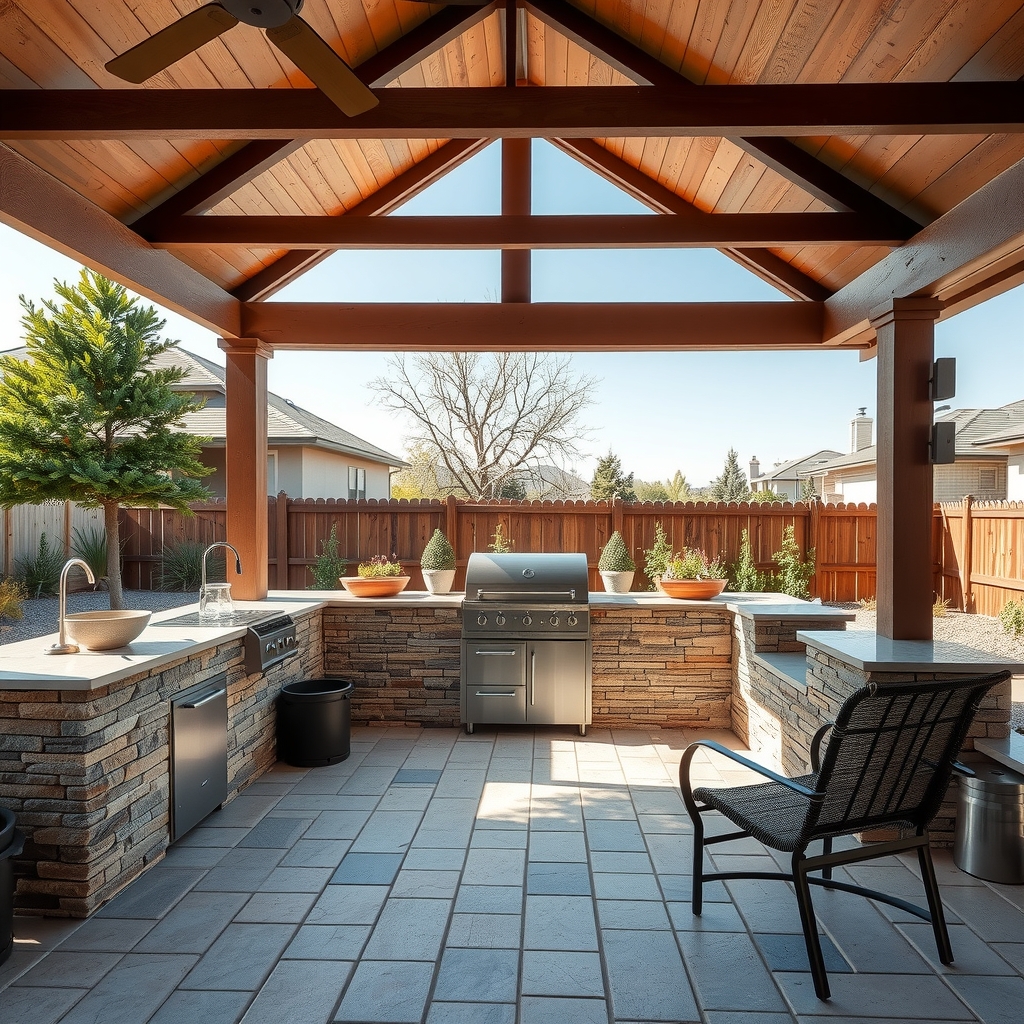
Water pooling near the foundation: why it matters
Water pooling against the foundation is the drainage problem to fix first. On clay soil, repeated wetting and drying next to the slab can contribute to soil movement around the house.
The usual first steps are making sure the ground slopes away from the house and moving downspout water several feet out. If that isn't enough, an underground drain can collect water and carry it to a better outlet.
How to fix yard drainage: the main options: Yard Drainage Problems
The right fix depends on where the water comes from and where it can safely go. Many Plano yards need a combination rather than one solution.
Our drainage solutions in Plano page explains how local professionals assess a yard before recommending a fix.
| Fix | What it does | Best for |
|---|---|---|
| Regrading | Reshapes soil so water flows away from the house | Yards sloping toward the foundation, low spots |
| Downspout extensions or buried drain lines | Moves roof water away from the house | Water pooling under gutters |
| French drain | Buried perforated pipe in gravel collects and carries water | Soggy areas, side yards, along foundations |
| Dry creek bed | Rock-lined channel that moves surface water visibly | Runoff paths you want to make decorative |
| Catch basins and channel drains | Collect water at a point or along a patio edge | Patios, driveways, low corners |
Typical options. A site visit determines which combination fits your yard.
French drain vs dry creek bed: which do you need?
A French drain handles water below ground and is mostly invisible; a dry creek bed handles surface runoff and becomes a landscape feature. If your problem is soggy soil that never dries, a French drain is usually the better fit.
If water rushes across the yard in a clear path during storms, a dry creek bed can carry it and look good doing it. Some yards use both: a creek bed for the visible flow and a buried drain where the ground stays wet.
What's included in a drainage fix
A proper drainage job includes assessment, a plan for where the water will exit, and restoring the yard afterward. Ask each professional to explain all three.
- Site visit during or after rain if possible, to see the problem
- Measuring grade and identifying the outlet (street, swale or lower area)
- Trenching, pipe, fabric and gravel for underground drains
- Connecting downspouts where needed
- Restoring turf, beds or rock after the work
- Checking whether sprinklers or other lines are in the way
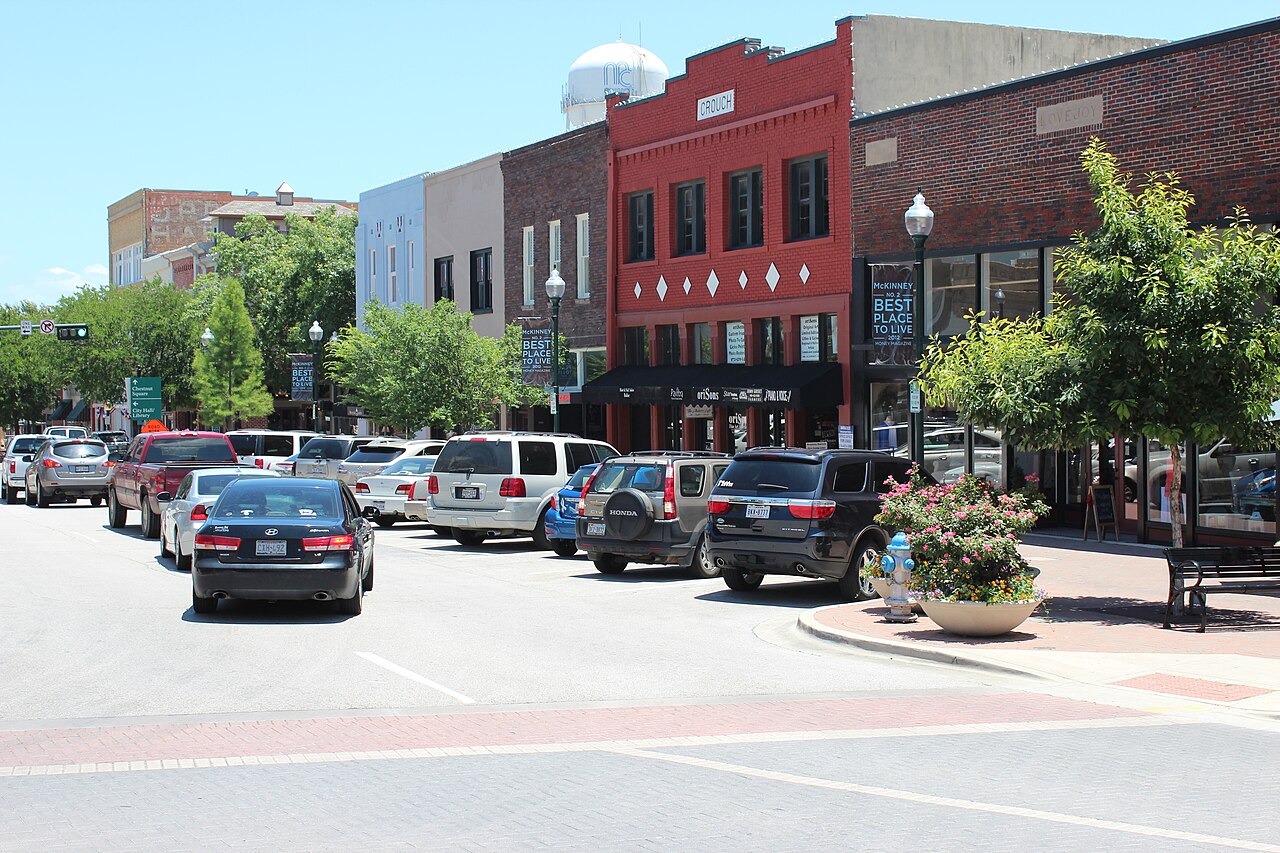
How long it takes and when to book
Many residential drainage jobs take a day or a few days, depending on length, access and how much regrading is needed. Larger yards or jobs combined with new patios or beds take longer.
Book when you can show the problem: take photos and video of where water collects during the next storm. That makes the estimate faster and more accurate.
Typical cost for fixing yard drainage in Plano
Cost depends mainly on the length of drain needed, how deep it runs, how much soil has to be moved, and access to the work area. Restoring sod, rock or beds afterward adds to the total.
Because every yard is different, a free on-site estimate is the only reliable way to price it. Requesting estimates through us is free with no obligation to hire.
Mistakes to avoid
The most common mistake is moving water to a spot where it causes a new problem. Every drain needs a safe outlet.
- Draining water toward a neighbor's yard
- Burying a drain with no slope or outlet
- Skipping filter fabric, which lets clay clog the gravel
- Building raised beds or patios that trap water against the house
- Overwatering with sprinklers on clay soil; see sprinkler and irrigation installation for smarter zoning
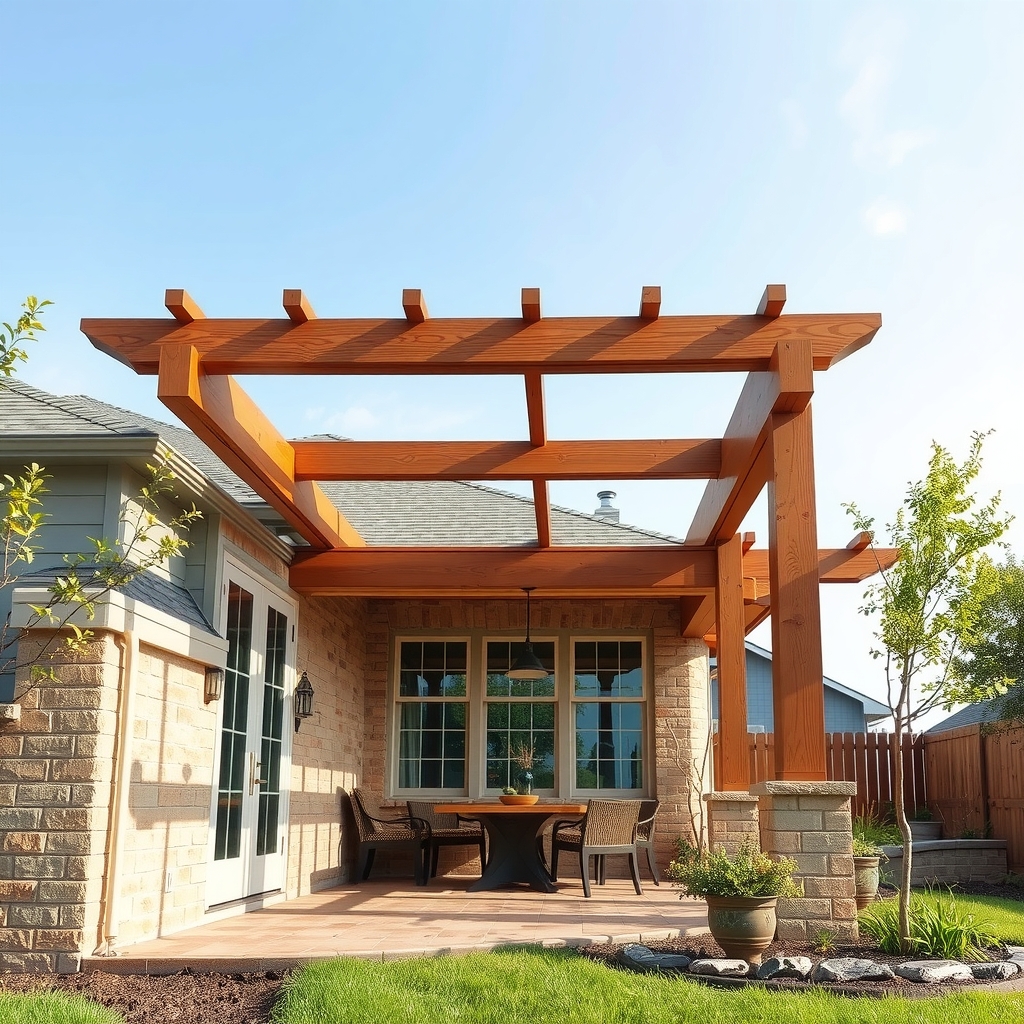
Drainage help in nearby towns
We connect homeowners with local drainage and landscaping professionals across Collin County, including Allen and McKinney, the county seat. Frisco, Richardson, Murphy, Wylie, Prosper, Parker, Lucas and Fairview are covered too.
The bottom line
Yard drainage problems in Plano usually come from clay soil, poor grading and roof runoff, and they are fixed by regrading, redirecting downspouts and adding French drains, creek beds or basins. We connect homeowners in Plano, Allen, McKinney, Frisco, Richardson, Murphy, Wylie, Prosper, Parker, Lucas and Fairview with local pros. Request a free estimate or call (469) 966-7238.