Plano's long, hot summers and Collin County clay soil are exactly why travertine is so popular here: its light stone tends to stay cooler underfoot than dark concrete, and the right base keeps it level as the clay moves.
What a travertine patio is
Travertine is a natural limestone formed by mineral springs. Its light color and porous surface tend to stay cooler underfoot than dark concrete in direct sun, which is why it is a favorite for pool decks and patios in North Texas.
A tumbled finish adds texture and grip when the surface is wet, and the natural variation in color gives every patio a one-of-a-kind look that poured concrete and standard pavers cannot match.
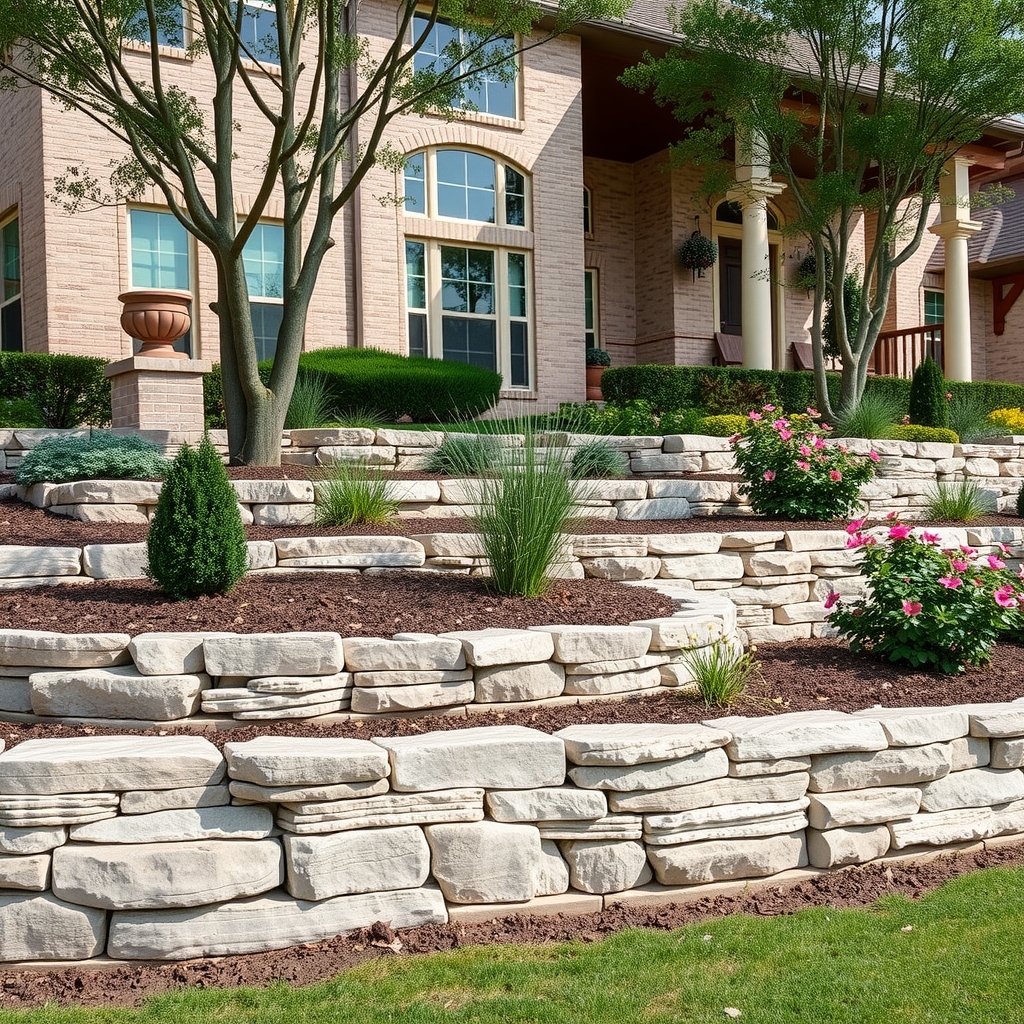
Travertine pavers vs travertine tile
The right method depends on what is in your backyard now. Both give the same finished look, but they are built very differently.
| Travertine pavers | Travertine tile over concrete | |
|---|---|---|
| Thickness | About 1 1/4 inches | Thinner tile |
| Base | Compacted crushed stone and a sand bed | A sound, properly sloped concrete slab |
| Best for | New patios and pool decks | Upgrading an existing patio or a new slab under a pergola |
| Clay soil | Flexes with soil movement | Depends on the slab staying sound |
| Repairs | Individual pavers lift and reset | Cracked tiles are cut out and replaced |
Your contractor checks the existing surface and soil before recommending a method.
Finishes and colors
Lighter colors such as ivory tend to stay coolest in summer. Many homeowners match the travertine to the house trim, the pergola stain or the pool tile.
- Tumbled: textured, rustic edges and good grip around pools
- Honed: smooth, matte and more formal
- Brushed: lightly textured with a soft feel
- Colors: ivory, walnut, gold, silver and blended tones
Layouts that make travertine stand out
Layout is planned around doors, seating, the pergola posts and the pool so cuts land in the right places and the pattern looks intentional.
- French (Versailles) pattern: four sizes in a repeating old-world pattern
- Running bond: clean rows for a modern look
- Herringbone: a woven pattern that suits walkways
- Borders and soldier courses to frame a seating area or pergola
- Bullnose coping and step treads for pool edges and steps
Travertine under a cedar pergola
The most requested outdoor living project in the area pairs a travertine floor with a custom cedar pergola and a polycarbonate (poly) roof. The poly roof keeps rain off the stone and cuts the sun, while the travertine gives the space a finished, resort-style floor.
Planning both together means pergola footings, patio slope and drainage are designed at once, and post locations work with the travertine pattern.
What affects the cost
Every travertine patio is priced individually. The main factors are patio size, pavers vs tile, the condition of any existing slab, the pattern and number of cuts, and extras such as pool coping and steps. Pricing is discussed directly with the contractor at a free on-site estimate.
How a travertine project works
- Free on-site visit: the existing patio, soil and slope are checked
- Samples: finish, color and thickness are chosen on site
- Layout: pattern, borders, coping and steps are planned
- Prep: base is built or the slab is repaired
- Install: stone is set, cut, jointed and optionally sealed
The bottom line
Thinking about a travertine patio, pool deck or a travertine floor under a cedar pergola? Call or send the form for a free on-site estimate with our contractor partner, in business for 41 years. See Pergolas & Patios in Plano and Landscape Design in Plano, or get a free quote.